GPT-5.2-Codex: A Major Leap in Code Generation
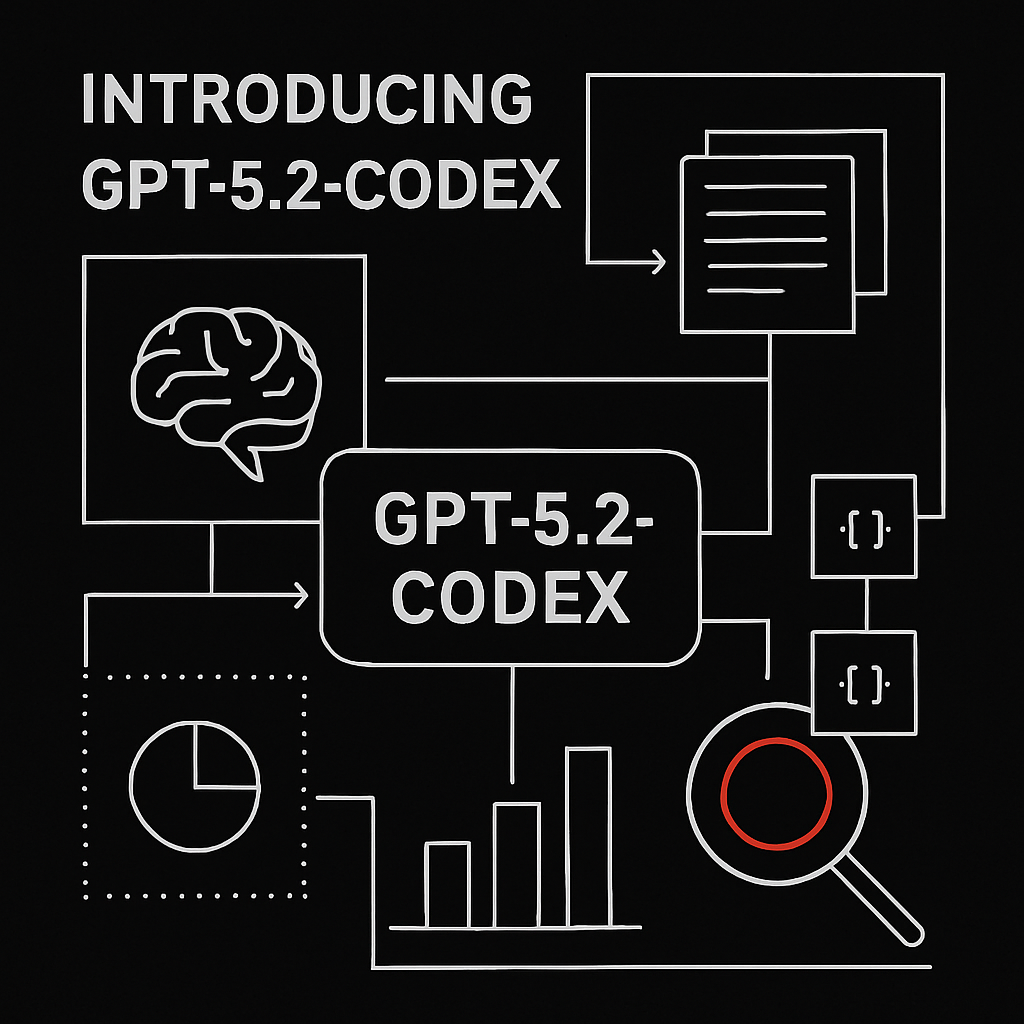
OpenAI has released GPT-5.2-Codex, a sophisticated coding model that emphasizes long-horizon reasoning and substantial code transformation capabilities. This iteration builds on previous versions, enhancing security features important for developers dealing with sensitive data. As coding complexity increases, these advancements are designed to meet the rigorous demands of modern software development. The model excels in its ability to reason over extended code sequences, allowing for more intricate and nuanced transformations. This long-horizon reasoning is particularly valuable for refactoring large codebases or integrating significant new features, minimizing manual intervention. Moreover, enhanced cybersecurity measures specifically target the identification and mitigation of harmful tasks, which developers need to prioritize in today’s environment.
Core technical details
GPT-5.2-Codex incorporates advanced capabilities for large-scale code transformations, leveraging extensive training on diverse programming languages. These improvements facilitate better code suggestions, automated debugging, and optimized performance, making it a powerful tool in a developer's toolkit. It also includes a newly implemented safety framework, which emphasizes specialized training to handle potentially harmful prompts effectively.
Why it matters for builders
For engineers and developers, GPT-5.2-Codex represents a transition toward more autonomous coding tools that can adapt to specific project requirements. These features can significantly reduce development time while improving code quality and security. As organizations face tighter deadlines coupled with the need for robust code, the model's integration into development workflows could enhance team efficiency and output.
What to watch / takeaways
Watch for how GPT-5.2-Codex is adopted within development environments and its practical impact on software lifecycles. Key areas of focus should include its performance in real-world coding tasks and the effectiveness of its cybersecurity measures. Also, monitor the broader implications of such models on coding standards and practices in the industry.