Nvidia Develops Tracking Software Amidst Chip-Smuggling Concerns
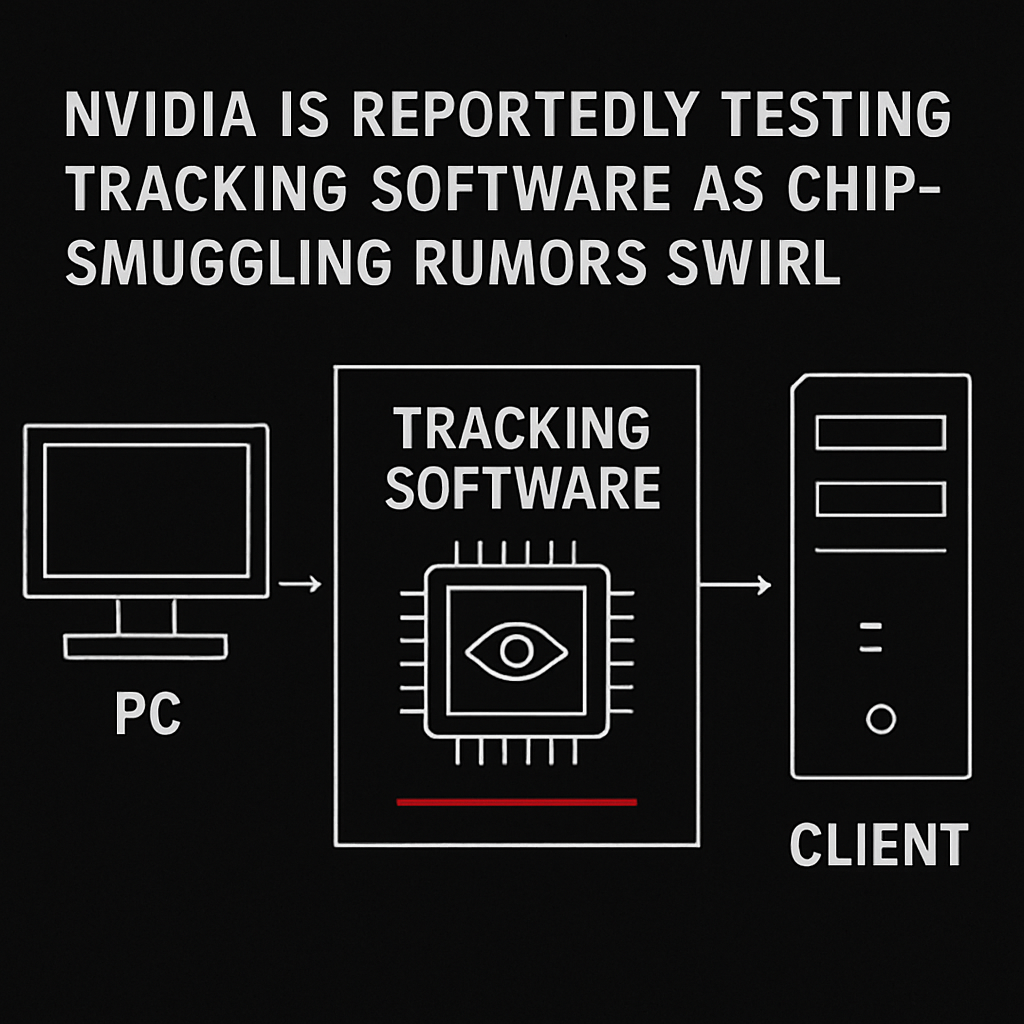
Nvidia is reportedly working on a tracking software solution designed to monitor the approximate location of its AI chips. This move comes amid rising concerns over chip smuggling, particularly due to geopolitical tensions and export regulations involving advanced semiconductors. The implications of this software could extend beyond merely safeguarding assets; they signal a strategic pivot in how tech giants manage supply chains in an increasingly fragmented global market. In addition, experts are debating the recent U.S. decision to impose a 25% cut on Nvidia's chip sales, which they argue is counterproductive. Critics claim it undermines the company's competitive edge, particularly concerning the advanced H200 AI chip now allowed to be exported to China. This dual focus on tracking and regulatory challenges illustrates the complexities that tech firms face in navigating both innovation and compliance pressures.
Core technical details
The proposed tracking software aims to provide manufacturers and developers with insights into the distribution and utilization of Nvidia's chips. By leveraging this software, Nvidia could potentially deter chip diversion and unauthorised resale. The notion is that such oversight would enhance accountability within supply chains, critical in an era where AI capabilities hinge on access to cutting-edge hardware. Moreover, the controversy surrounding the 25% cut affects Nvidia's ability to compete effectively in the global AI landscape. The H200 chip, cited as pivotal for maintaining AI performance, may be adversely affected by restrictive export policies, prompting concerns among engineers regarding chip availability and innovation stagnation.
Why it matters for builders
For developers and engineers, these developments may signify tighter controls over hardware availability and a shift in the chip-market landscape. If Nvidia's tracking software effectively reduces smuggling, it could stabilize supply chains, thereby ensuring better availability of essential components for AI projects. Conversely, ongoing trade tensions and regulatory impositions might lead to critical shortages, hindering project timelines and innovation. The outcome of these strategic maneuvers will likely influence hardware development cycles, pricing, and project feasibility across the industry.
What to watch / takeaways
Keep an eye on the integration of Nvidia's tracking software and its effectiveness in curbing smuggling. Monitor regulatory developments regarding chip exports, particularly as they relate to high-performance AI hardware. Understanding these dynamics could provide significant insights into future AI hardware development, market disruptions, and the competitive strategies of tech companies.